

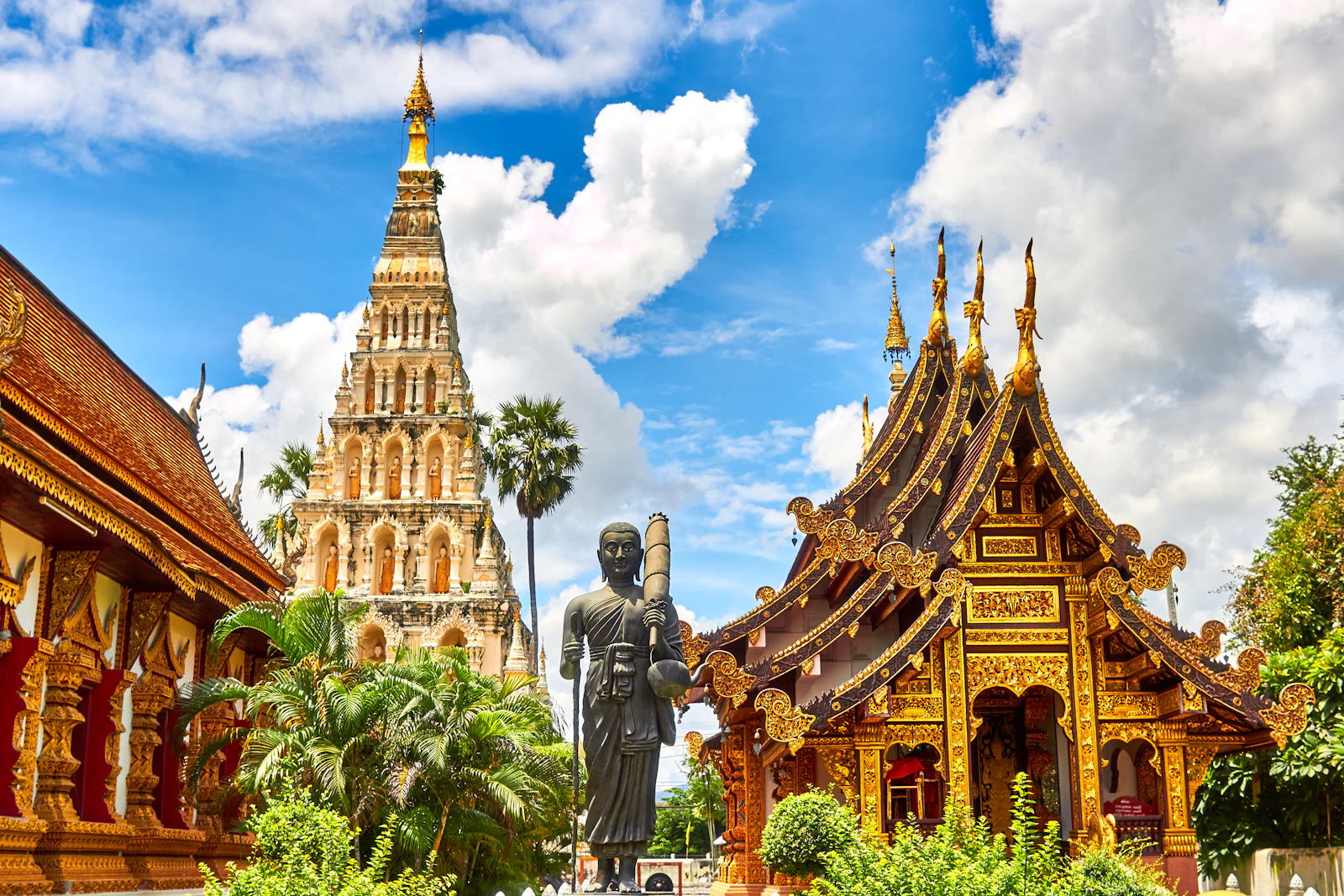
Most agencies sell Thailand from November to March and go quiet. The ones growing fastest in our partner network do the opposite: they treat green season as a margin strategy, because the country is mispriced for half the year if you know how to route it.
The one rule: route by coast
Thailand doesn't have a rainy season; it has two coasts with opposite calendars.
- The Andaman side (Phuket, Krabi, Khao Lak, Phi Phi, Lanta) takes the southwest monsoon May–October
- The Gulf side (Koh Samui, Phangan, Tao) stays driest January–August — peak European summer included
A "Thailand is rainy in July" objection dissolves the moment you move the same budget from Phuket to Samui. Same country, same flight, dry beach.
What green season actually looks like
Even on the monsoon coast, rain arrives mostly as afternoon bursts, not lost days. What your clients get in exchange:
- Rates 30–50% below peak at like-for-like resorts — or two categories higher for the same spend
- Waterfalls, rice country and the north at their lush, photographic best
- Empty viewpoints, restaurant tables without queues, guides with time to talk
What not to promise
Honesty is the retention strategy. Never promise the Similan Islands (closed roughly May–October), glassy west-coast seas, or guaranteed sunsets. Some island speedboat routes pause in heavy swell — our operations desk re-routes around weather daily, which is precisely what a ground operator is for.
The programs built for the season
- Gulf twin-centre: Bangkok + Samui, the European summer banker
- Culture north: Chiang Mai and Chiang Rai under green mountains — cool-season crowds absent
- Spa & wellness weeks: resort spa programs sell beautifully against an afternoon shower
- Khao Sok & Khao Yai: the national parks are at their cinematic peak
Green season is where an agency's quoting discipline shows. Send us the dates you've been declining, and the trade desk will show you what they're worth. Seasonality tables for every destination are in our agent guides.


